What makes solid-state different.
Conventional batteries use a liquid electrolyte — a flammable, heat-sensitive chemical that limits performance and creates fire risk. Solid-state replaces the liquid entirely with a solid electrolyte material. This single change unlocks safety, energy density, longevity, and temperature resilience that no liquid battery can match.
Five key advantages.
Non-Flammable
Zero fire or explosion risk — solid electrolyte eliminates thermal runaway.
Higher Energy Density
More power in less space — critical for dense installations.
3,000–8,000 Cycles
Far outlasts lithium-ion (500–1,000 cycles) and lead acid (~500 cycles).
Built for Nigerian Heat
Stable operation from –20°C to 60°C without degradation.
Minimal Maintenance
Lower total cost of ownership over a 15-year service life.
Backed by world-class science.
The core technology originates from Tsinghua University's School of Materials Science and the Chinese Academy of Sciences. Led by Chief Scientist Prof. Nan CeWen — Academician of the Chinese Academy of Sciences, Dean of Tsinghua's Institute of Materials Science & Engineering, and one of the world's foremost authorities on advanced energy materials.
R&D began in 2002. Mass production was achieved in 2018. Today the platform is deployed at scale across automotive, energy storage, and commercial environments.
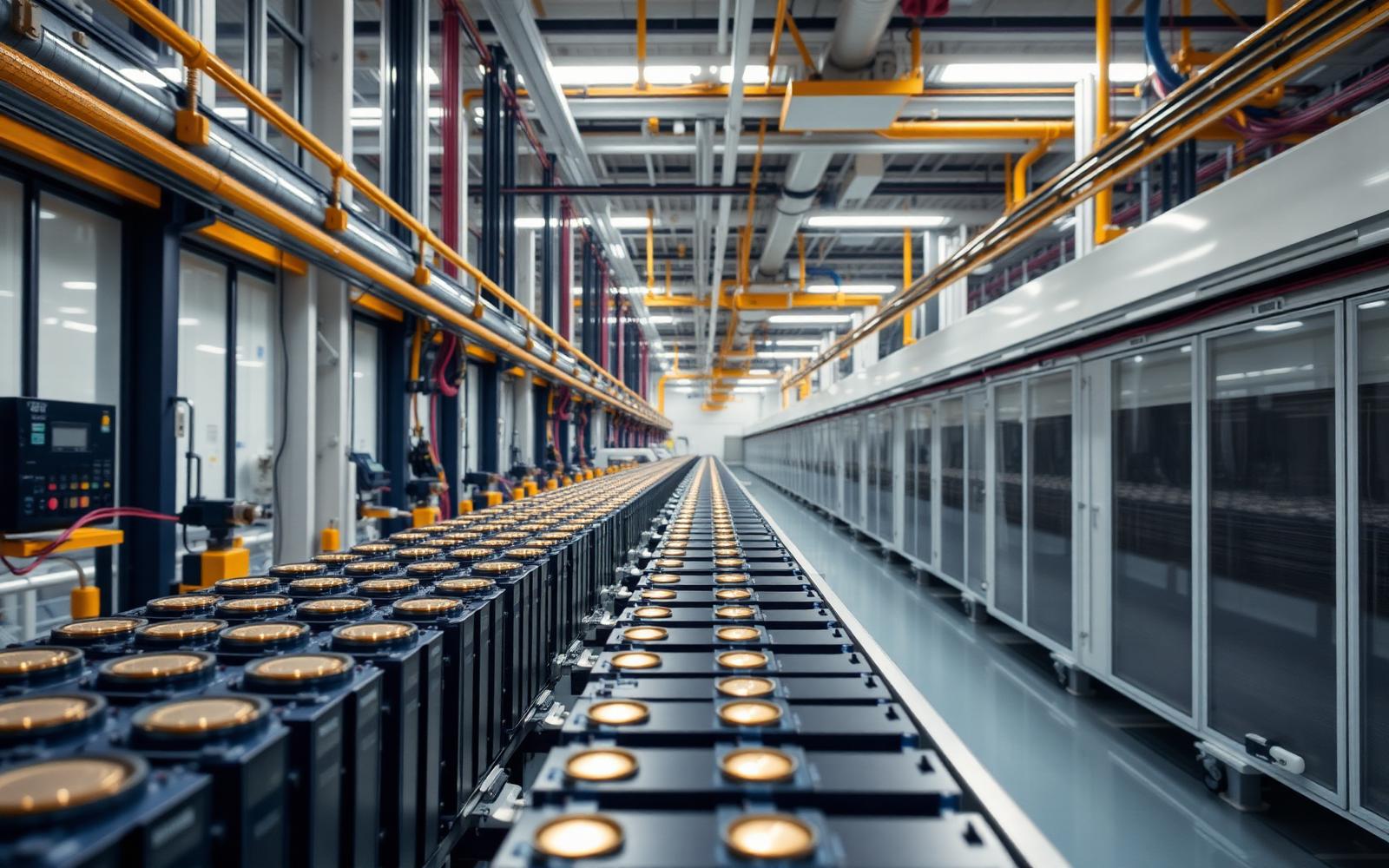
Tested to military standard. Zero compromise.
Steel Nail Penetration
PassedA steel nail is driven through the solid-state battery cell. Output: stable voltage and current. Result: no short circuit, no fire, no explosion.
Gunshot Safety Test
PassedEmergency-grade cells subjected to military-standard ballistic penetration. Batteries did not explode or catch fire upon impact. Certified for field deployment.
Thermal Runaway @ 300°C
PassedSolid-state LFP: no runaway. Conventional LFP: runaway at 471°C. Max temperature rise rate: 0.24°C/s vs. 2.13°C/s.
Safetech vs. the alternatives.
Side-by-side against the technologies you're replacing in the field today.
| Metric | Safetech Solid-State | Lithium-Ion | Lead Acid | Diesel Generator |
|---|---|---|---|---|
| Fire Risk | None — Solid Electrolyte | Moderate | Low | High (fuel) |
| Cycle Life | 3,000–8,000 cycles | ~1,000 cycles | ~500 cycles | N/A |
| Heat Tolerance | –20°C to 60°C | Degrades in heat | Poor >40°C | –20°C to 40°C |
| Noise Level | Silent | Silent | Silent | > 75 dB |
| Maintenance | Minimal | Low | High | Frequent + fuel |
| Daily Running Cost | Near zero (solar/grid) | Grid only | Grid only | ₦15,000–50,000+/day |
| Design Life | 10–15 years | 5–8 years | 3–5 years | 5–10 years |
| Military Safety Cert. | GJB — Passed | Not rated | Not rated | N/A |
Want full technical specifications?
Datasheets, certifications, and integration notes are available on request.
Request Specifications